

Why occasions beat delivery
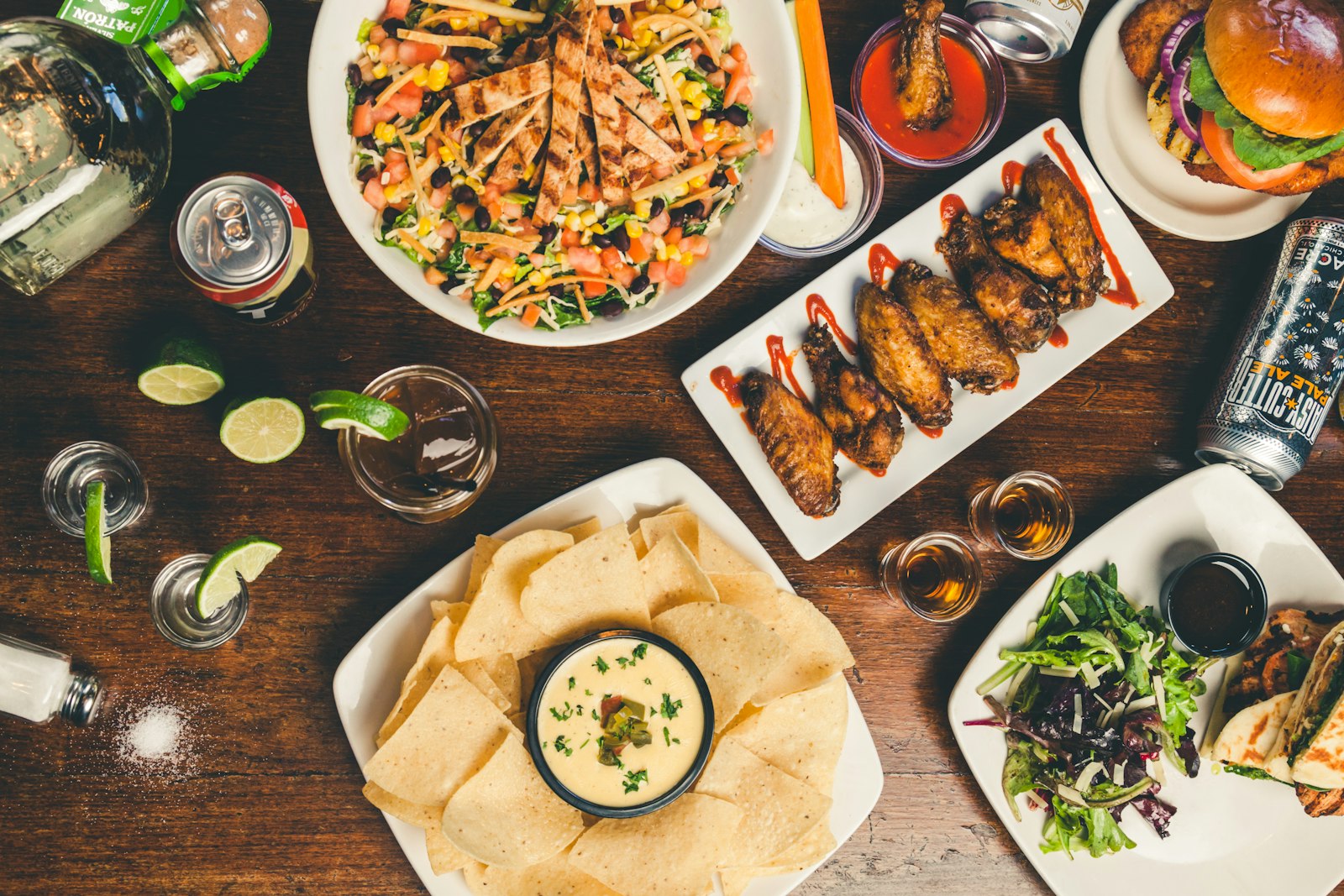
A structural comparison of delivery aggregation and occasion led dining, and why India's experience economy will outgrow both.
For the last decade, Indian food tech has been synonymous with delivery. Two apps, one restaurant, five day delivery discounts. That model built scale but broke unit economics.
Occasion led dining is structurally different. Compare on five vectors.
-
Frequency. Delivery is high frequency, low value. Occasions are low frequency, high value. A birthday is one order, not thirty, but at 3 to 5x the AoV.
-
Discounting. Delivery competes on price. Occasions compete on memory. Nobody haggles for a Diwali dinner.
-
Ownership. Delivery apps own the customer. Occasion platforms give the restaurant the phone number, the anniversary date and the order history.
-
Commission. Delivery commissions are 15 to 25 percent. Occasion commissions can sit at 2 to 8 percent because the LTV is higher.
-
Defensibility. Delivery is a logistics arms race. Occasion is a relationship business. The moat is trust, not fleet size.
The India specific edge. Weddings, festivals, anniversaries, kitty parties and family gatherings are not micro moments. They are planned weeks in advance, involve 8 to 30 people and cost 5000 to 50000 rupees per booking. Aggregators cannot serve this because they were built for solo delivery.
amealio is building the AI powered occasion layer. Discovery, celebration packages, personalized menus, Selfie moments, WhatsApp engagement and payment tools. Every one of them is priced to compound restaurant margin, not compress it.
Investors, restaurateurs and guests all win when the occasion economy grows. This is what we mean by more experiences, happier customers, higher bills and repeat visits.
Join the conversation
- Be the first to comment.