

AI menu picks for Jain, vegan and diabetic diners
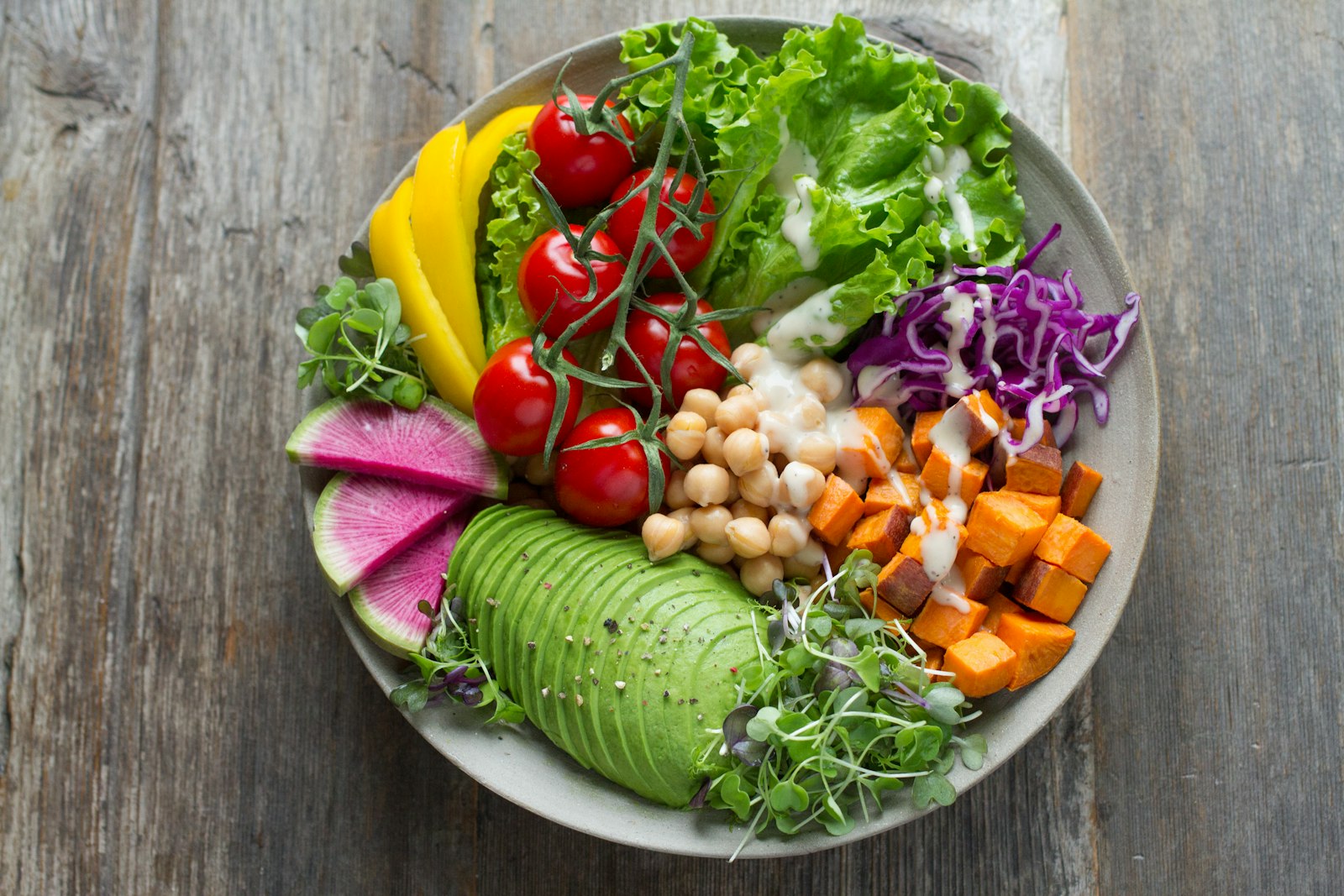
Dietary needs should not limit celebration. See how amealio matches menus to Jain, vegan, diabetic, keto, halal, gluten free, nut allergy and low sodium diners.
India eats out in groups. That means one table often has a Jain grandparent, a vegan cousin, a diabetic uncle and a keto sibling. Ordering for all of them can turn into a spreadsheet, and usually turns into the same compromise: everyone eats the two dishes nobody objects to.
amealio uses AI to solve this. Set your dietary tags once in the app and every menu you see is filtered to what you can eat, with smart substitutions where the kitchen supports them.
How the matching works
1. You add your tags. Jain, vegan, diabetic, keto, halal, gluten free, nut allergy, low sodium. Pick as many as apply. You do this once, not at every restaurant.
2. amealio scores each dish against your profile. Green means safe, amber means ask, red means avoid. Amber is deliberate - a dish that is Jain-friendly if the kitchen omits onion and garlic is a genuine option, not a rejection, and the app says exactly what to ask for.
3. Group ordering. When you invite friends, the app finds dishes that work for the whole group and highlights them as Chef's Pick for your table. Instead of the host mediating between four sets of restrictions, the intersection is calculated and the table sees it.
4. Personalised recommendations. Over time, the app learns your favourite cuisines, spice level and portion size, so the safe list is also a list you actually want to eat from.
Why this is harder than a filter
A vegetarian filter is a checkbox. Indian dietary reality is not.
- Jain excludes root vegetables, and often onion and garlic, which sit in the base of most Indian gravies rather than in the dish name.
- Vegan in India runs into ghee, paneer, curd and milk solids that rarely appear on a menu card.
- Diabetic guests care about preparation and portion, not just ingredients.
- Allergies need kitchen-level certainty, not a best guess from a menu description.
Getting this right means understanding the recipe, not the label - which is why the scoring works off dish composition and kitchen capability rather than menu text alone.
What it changes for restaurants
This is not a feature that sits behind a menu. It is a live signal about the guest at the table. The kitchen sees the dietary flags before the order lands, so the chef prepares accordingly rather than being told at the pass.
For the restaurant that means:
- Fewer allergen mistakes, which is the risk nobody wants to carry.
- Faster ordering, because the table is not negotiating.
- Higher spend, because a dietary guest who can see six safe dishes orders more than one who can see two.
- A reason to return. Guests with restrictions are intensely loyal to places that handle them without fuss.
The outcome
Fewer allergen mistakes, faster ordering, and dietary guests who finally feel seen at the table - which, in a country that eats in groups, means the whole table comes back.
Set your tags in the amealio app once and every celebration you plan after will be safer, faster and more thoughtful.
Read next
Join the conversation
- Be the first to comment.