


Featured
CelebrationsUnited States8 min read· Aug 23, 2026
How to plan a birthday dinner people actually remember
A practical planning guide for birthday dinners in the United States
Read the storyWho it is for
Where
Topic
13 stories
 For diners
F&B minimums, set menus, split checks and the details that decide the night
Read story For diners
The reservation is the easy part
Read story For diners
A plain-language explanation of the platform, what it does and who it is for
Read story For diners
Why the best restaurant for someone else is often the wrong one for you
Read story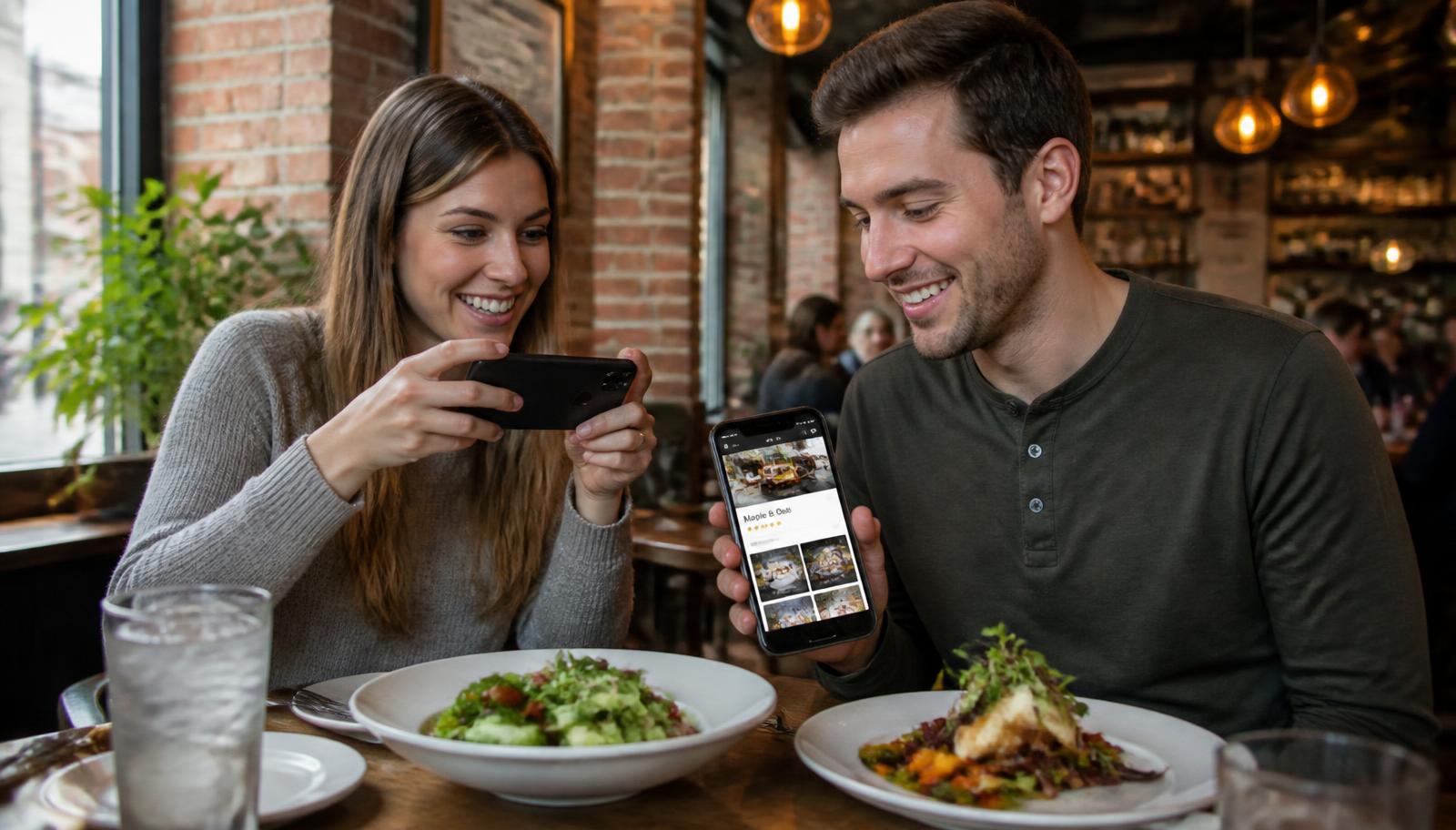 For restaurants
Delivery is contested, discovery is rented, but occasions are owned. Why birthdays, anniversaries and graduations are the strongest line on a restaurant P&L.
Read story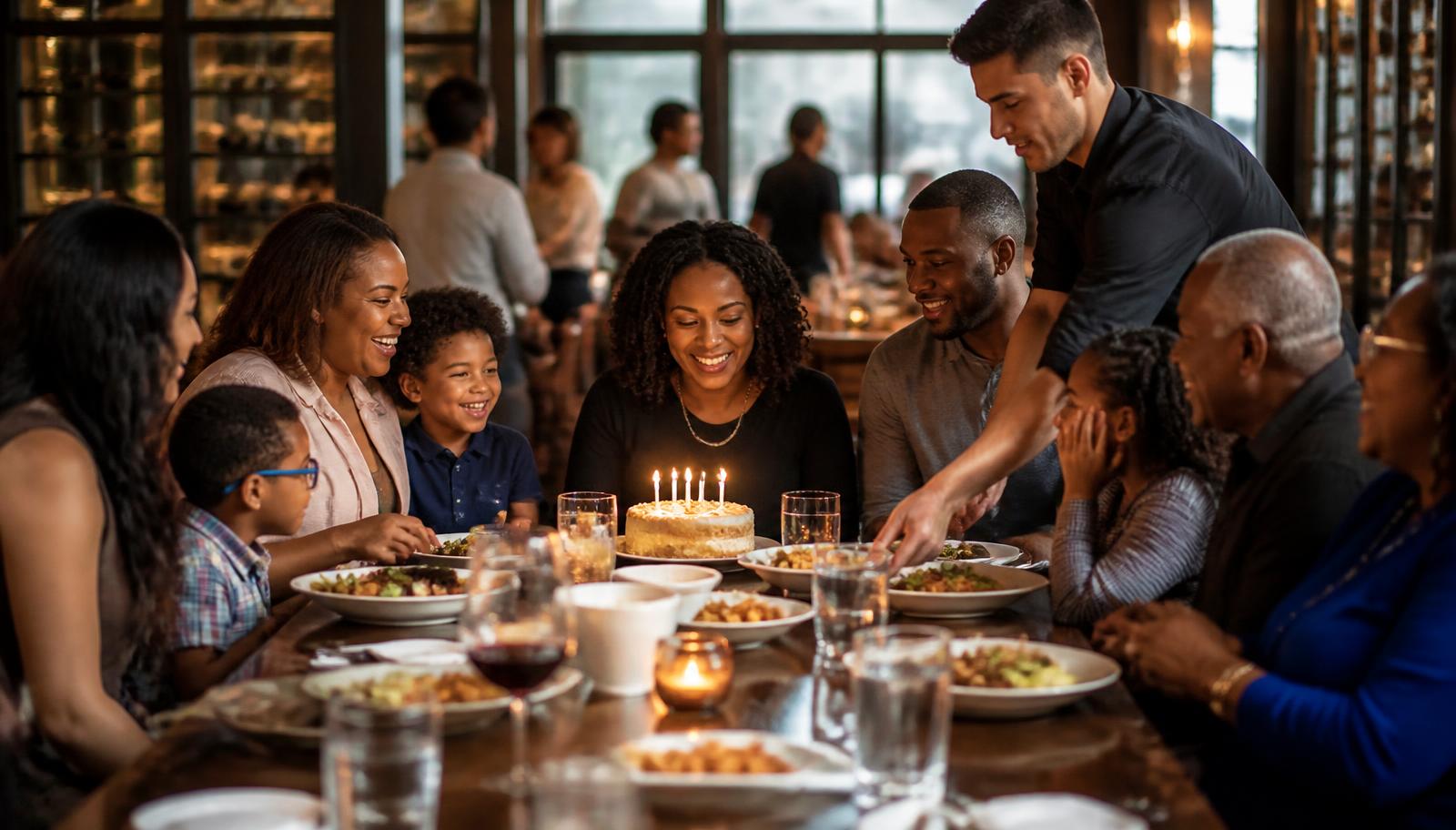 For restaurants
Per-cover fees, monthly platform fees and cover-hungry networks add up quietly. A clear-eyed look at reservation economics for American restaurants.
Read story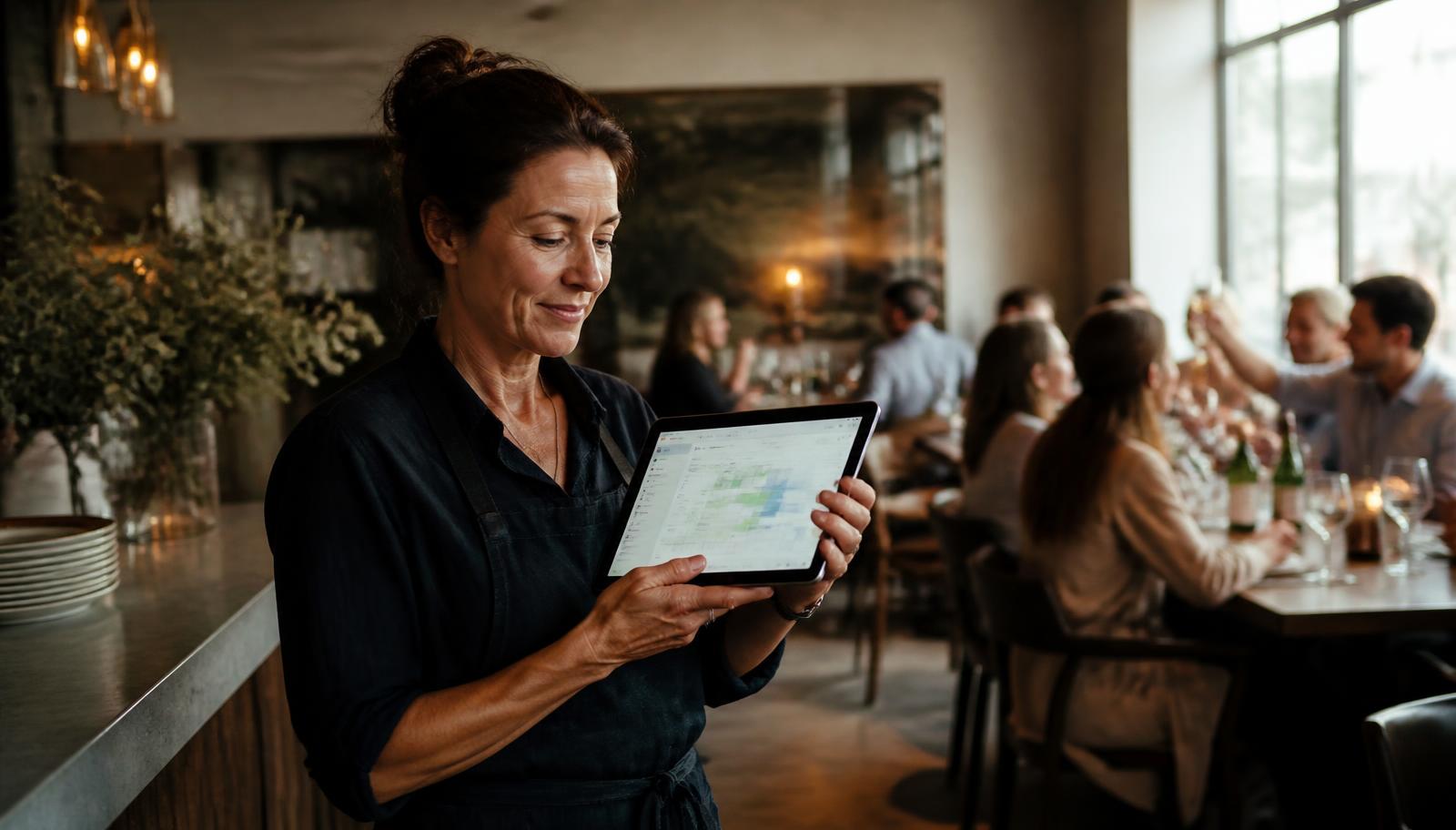 For restaurants
Delivery commissions and pay-to-play review ads buy volume, not relationships. Here is the arithmetic every independent American restaurant should run before the next renewal.
Read story
How US restaurants fill every seat from Thanksgiving Eve through the holiday weekend without discounting the menu.
Read story
Anniversary dinners are the highest margin celebration in the US casual fine dining segment. Here is the service pattern that wins repeat visits.
Read story
A 90 seat Texas barbecue restaurant moved from walk in only to a group and celebration business without adding a single table.
Read story
US servers, bartenders and back of house teams are rethinking what fair recognition looks like. Here is what restaurants can do.
Read story
Weekend brunch and Sunday game day drive the largest party sizes in American dining, yet most restaurants leave them unpackaged.
Read story
Corporate holiday parties, friendsgiving, and New Year dinners fill six weeks of the calendar. Plan them like one season.
Read story
Party size is the most under managed metric in American restaurants. Here is how to move it.
Why American restaurants that plan Thanksgiving in October outperform everyone who waits until November.
Monthly stories on experiences, product updates, and dispatches from partner restaurants. Double opt-in, unsubscribe any time.